Uninsured Motorist Coverage: When the Other Driver Can't Pay
How UM and UIM fill the gap left by uninsured, underinsured and hit-and-run drivers, which states make it mandatory, and how to choose limits and stacking.
By Brookguard Editorial Team Updated 7 min read
- Uninsured drivers (2023)
- 15.4%, more than 1 in 7
- Covers
- You and your passengers
- Required in
- About 20 states and D.C.
- Usual advice
- Match your liability limits
The short version
Uninsured motorist coverage (UM) pays your medical bills, lost income and, in some states, car damage when a driver with no insurance or a hit-and-run driver causes the crash. Underinsured motorist coverage (UIM) pays when the at-fault driver's limits are too low. More than one in seven US drivers was uninsured in 2023, according to industry estimates.
The gap this coverage fills
In an at-fault state, the driver who causes a crash is supposed to pay through their liability insurance. That plan breaks down when the driver has no policy, has only a state minimum policy, or leaves the scene. Suing them personally rarely helps: someone who couldn't afford insurance usually can't pay a judgment either.
UM and UIM solve that by letting you claim from your own insurer as if it were the other driver's. Your insurer stands in their shoes, which means it can dispute fault and the value of your injuries just as their insurer would.
Underinsured drivers are the quieter problem. Plenty of people carry exactly the state minimum, which in many states is $25,000 or $30,000 per injured person. A hospital stay with surgery and a few months off work can pass that quickly, and UIM is what covers the difference.
| United States | 15.4% |
|---|---|
| Highest: Mississippi, New Mexico, Washington, D.C. | 28.2%, 24.1%, 23.1% |
| Lowest: Maine, Utah, Idaho | 5.7%, 6.2%, 6.4% |
The four pieces of a UM/UIM policy
UM bodily injury
Your medical bills, lost wages and pain and suffering when an uninsured or unidentified hit-and-run driver is at fault. It usually covers you as a pedestrian or cyclist too.
UIM bodily injury
The same costs when the at-fault driver has insurance, but not enough to cover your injuries.
UM property damage
Repairs to your car when an uninsured driver is to blame, offered in some states and often with its own small deductible. Some states and policies won't pay it for a hit-and-run unless the other driver is identified.
Collision as a backstop
If you carry collision, it fixes your car after any crash, including a hit-and-run, minus your collision deductible.
Where UM is mandatory
About 20 jurisdictions require UM coverage, and many of those also require UIM. New York, New Jersey, Illinois, Maryland, Virginia and Wisconsin are among them. In many other states, insurers must include UM on every policy unless you reject it in writing; Texas works this way. A few states leave it fully optional.
If you're not sure whether you have it, look for "uninsured" or "UM/UIM" on your declarations page. A rejection form you signed years ago may still be in effect. You can usually ask to add the coverage back at any time, but it only applies from that date forward, never to a crash that already happened.
How UIM pays, with numbers
States calculate UIM in one of two ways, and the difference can be large. Here's the same crash under each method.
Your policy and your state's law decide which method applies. Ask your insurer, or check your state insurance department's consumer guide.
Choosing limits and stacking
The common advice is to match UM/UIM bodily injury limits to your liability limits. The logic is simple: you've decided that amount is what a serious injury could cost someone else, and your own family's injuries could cost the same.
- 1 Find your bodily injury liability limits on your declarations page.
- 2 Ask for a quote with UM/UIM at the same limits; the increase is often modest.
- 3 If you have more than one car, ask whether your state allows stacking.
- 4 Decide whether UM property damage adds value given your collision deductible.
Stacking lets you combine the UM limits for each car on your policy, so two cars with $50,000 each could provide $100,000 for one injured person. Rules vary widely: about half the states prohibit stacking, and others allow it, sometimes only if the policy permits it. Pennsylvania, for example, lets you choose stacked or unstacked limits.
UM usually protects more people than drivers expect: you and relatives who live with you, whether you're in your car, someone else's car, on foot or on a bike, plus anyone riding in your insured car. Check the definitions section of your policy for the exact list.
Filing a UM or UIM claim
- Call the police from the scene, and promptly for a hit-and-run; many policies require a police report for an unidentified driver.
- Photograph the other car's plate and damage, and get witness names before they leave.
- Notify your insurer quickly and say you may claim under UM or UIM.
- For UIM, tell your insurer before you accept any settlement from the other driver's insurer. Settling first without consent can jeopardize your UIM claim.
Because your own insurer is now on the other side of the claim, keep notes of every conversation and ask for decisions in writing. The claims guide explains how to handle a dispute.
Common questions
Does UM cover me if a hit-and-run driver injures me?
In most states, yes. An unidentified driver who causes the crash and leaves is generally treated as uninsured, though prompt police reporting is usually required.
Will a UM claim raise my rates?
Because you weren't at fault, a UM claim usually affects your premium less than an at-fault crash. Some states limit surcharges for not-at-fault claims; rules vary.
Do I need UM if I already have health insurance?
Health insurance covers treatment but not lost income or pain and suffering, and it may have high deductibles. UM fills those gaps, which is why many drivers keep it even with good health coverage.
Sources
- Insurance Information Institute — Facts + Statistics: Uninsured motorists
- Insurance Information Institute — Background on: Compulsory auto/uninsured motorists
- North Carolina Department of Insurance — Changes effective July 1, 2025
- Texas Department of Insurance — Auto insurance guide
Facts on this page were checked against these sources on October 12, 2026. UM/UIM rules, stacking and claim procedures are set state by state; read your policy and your state's guide.
Keep reading
-
Coverage
Liability insurance
Pays others for injuries and damage you cause. Required in 49 states and D.C.; minimums vary by state.
-
State
North Carolina
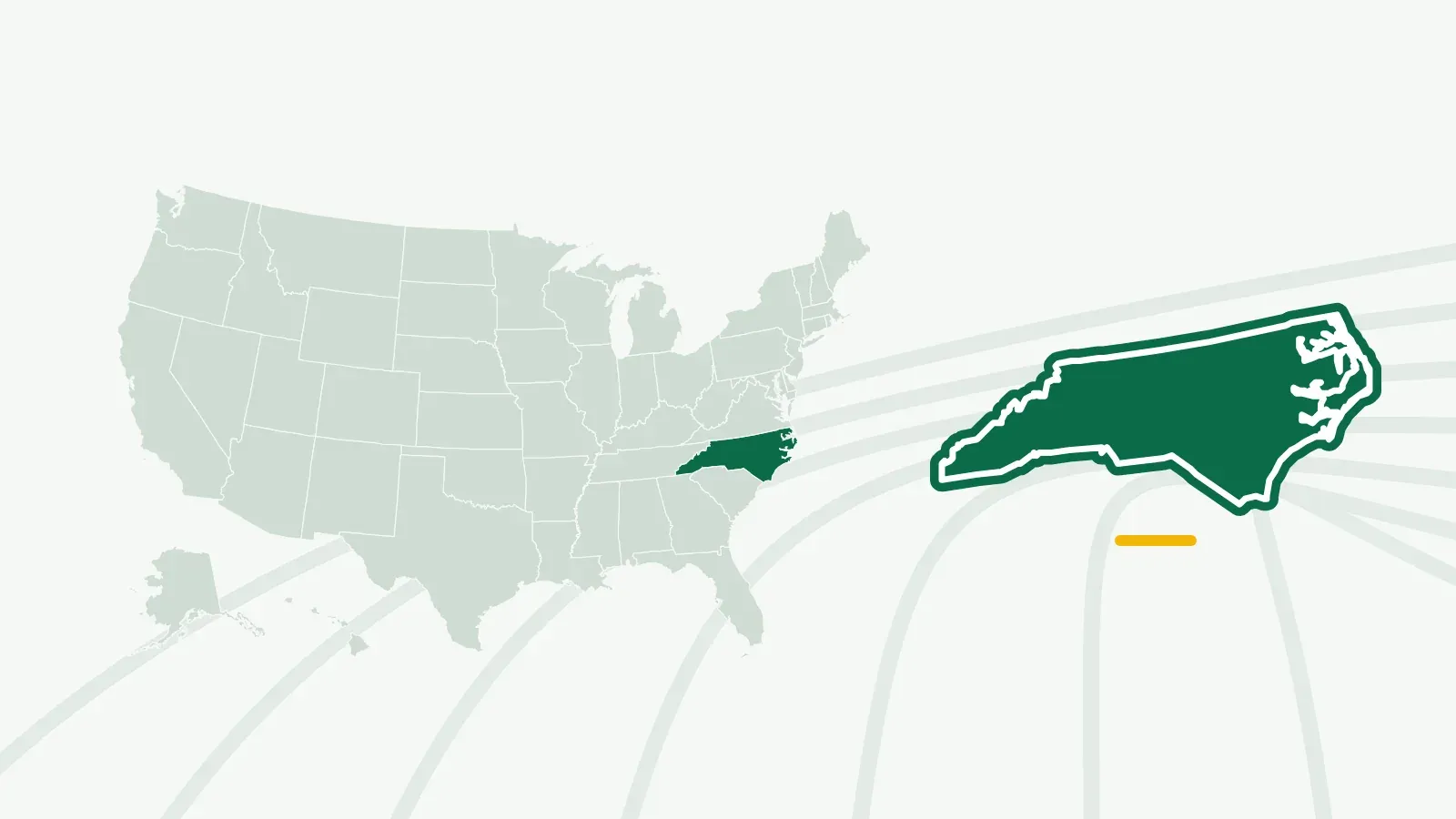
50/100/50 liability since July 2025, mandatory UM and UIM, $50 to $150 lapse penalties.
-
Guide
How to file a claim
What to do at the scene, which insurer to call, working with adjusters and how to dispute an offer.