Virginia Car Insurance After the 2024–2025 Changes
Two big shifts in two years: insurance became truly mandatory, and the minimum limits went up. Here is what that means for your policy.
By Brookguard Editorial Team Updated 6 min read
- Liability minimum
- 50/100/25
- Fault system
- At-fault
- Required UM/UIM
- Same as liability
- Avg. minimum policy
- $57/mo
The short version
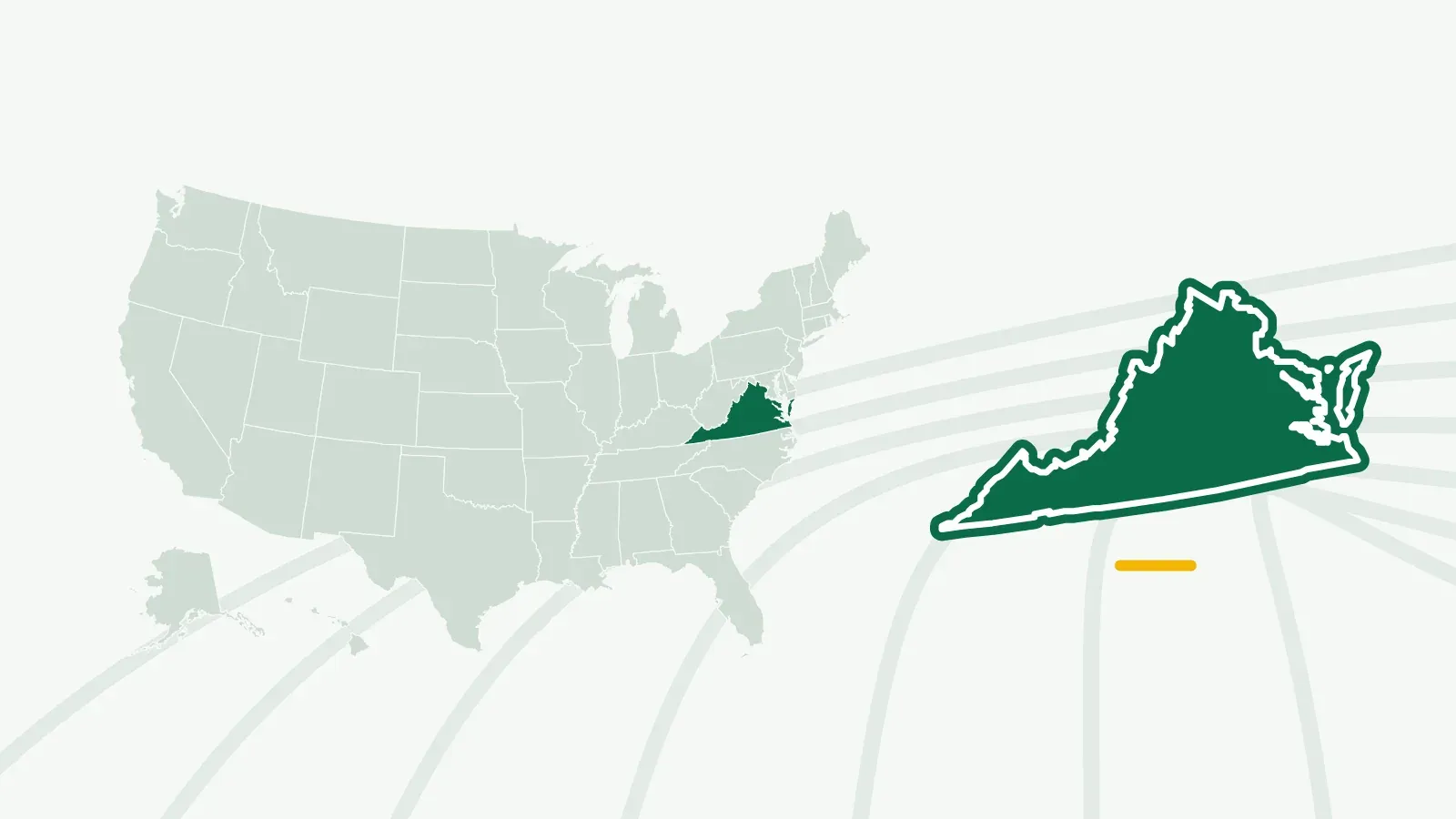
For policies starting on or after January 1, 2025, Virginia requires liability coverage of at least $50,000 per injured person, $100,000 per crash and $25,000 for property damage, with uninsured/underinsured motorist coverage at the same limits. Since July 1, 2024, you can no longer pay a fee to drive without insurance.
What changed, and when
- July 1, 2024: the DMV stopped collecting the uninsured motor vehicle fee. Every Virginia-registered vehicle now needs a policy.
- January 1, 2025: minimum liability rose from 30/60/20 to 50/100/25 for new and renewing policies.
If you used to pay the fee, or you still carry a policy written before 2025 at the old limits, it no longer meets the law once it renews. Ask your insurer to confirm your limits on the declarations page.
Higher limits mean a higher minimum premium, but they also close a real gap. Under the old 30/60/20 floor, a single injured passenger with a long hospital stay could exhaust the policy, leaving the at-fault driver to cover the rest personally.
Virginia's required limits
| Bodily injury, one person | $50,000 |
|---|---|
| Bodily injury, two or more people | $100,000 |
| Property damage | $25,000 |
| Uninsured/underinsured motorist | At least the same 50/100/25, and normally equal to your liability limits |
Virginia is an at-fault state, so these liability limits pay people you injure and property you damage. Your uninsured motorist limits normally equal your liability limits; you can decline the part above the state minimum by notifying your insurer.
How Virginia's underinsured coverage works
Underinsured motorist coverage helps when the at-fault driver has a policy, but it is too small for your injuries. In Virginia, it pays on top of the other driver's liability limits rather than subtracting them, unless a named insured signs an election to have it reduced.
Electronic checks and the cost of a lapse
The Virginia DMV works with insurers to verify liability coverage on registered vehicles electronically. If it cannot find your policy, it asks you for the details, so keep your declarations page handy.
Suspension
Owners of uninsured vehicles lose both their driving privileges and their vehicle registration.
$600 noncompliance fee
Reinstatement requires a $600 statutory fee. Eligible owners can pay it through the DMV's payment plan.
SR-22 for three years
You must file an SR-22 certificate with the DMV and keep it on file for three years, plus pay any reinstatement fee.
Over three years, the fee, the SR-22 surcharge and higher premiums usually cost far more than the policy you skipped.
Average premiums in Virginia
Even after the 2025 increase, Virginia stays below the national average: about $689 a year for a minimum policy and about $1,835 a year for full coverage in 2026. Northern Virginia and Hampton Roads ZIP codes tend to pay more than rural counties.
Use the full coverage calculator to see whether collision and comprehensive still make sense for your car's value.
Common questions
Can I still pay a fee instead of buying insurance in Virginia?
No. The uninsured motor vehicle fee ended on July 1, 2024. Every registered vehicle must now carry a policy that meets the state minimums.
My Virginia policy shows 30/60/20. Is that still legal?
Those were the limits for policies written through December 31, 2024. Policies starting on or after January 1, 2025, must be at least 50/100/25.
What will it cost to get my license back after a lapse?
Expect the $600 noncompliance fee, a reinstatement fee if one applies, and an SR-22 filing for three years.
Sources
- Virginia DMV — Insurance requirements
- Virginia DMV — New laws taking effect July 1, 2024
- Code of Virginia § 38.2-2206 (uninsured and underinsured motorist coverage)
- CarInsurance.com — Average car insurance rates by state (2026)
Facts on this page were checked against these sources on October 12, 2026. If your policy began before 2025, compare your declarations page with the current limits above.
Keep reading
-
Coverage
Uninsured motorist coverage
Pays your injury costs when an uninsured, underinsured or hit-and-run driver is at fault. Required in many states.
-
Coverage
Liability insurance
Pays others for injuries and damage you cause. Required in 49 states and D.C.; minimums vary by state.
-

State
West Virginia
25/50/25 liability and required 25/50/25 uninsured motorist; random DMV insurance checks.